Local SEO for Seasonal Businesses: Get Ready for the Silly Season

Local SEO for seasonal businesses works best when you prepare before customers start searching.

For Melbourne businesses, the Spring Racing Carnival, Melbourne Cup and the lead-up to Christmas can change what customers need and when they need it.

Hospitality venues may be promoting Cup Day events. Hair and beauty appointments fill ahead of race days and Christmas parties. Retailers start pushing gift ranges. Trades and professional services deal with the pre-Christmas rush.

The mistake is waiting until everyone is already searching before updating your online presence.

5 Local SEO Tips for Seasonal Businesses

1. Update Special Trading Hours

If your hours change around Melbourne Cup, Christmas, New Year or other public holidays, update them before customers need the information.

Google recommends keeping Business Profile information accurate and current, including opening hours.

Don’t make customers guess whether you’re open.

2. Publish Your Seasonal Offers

If you’re running a Cup Day lunch, Christmas package or seasonal promotion, make it easy to find.

Don’t hide it three pages deep.

Depending on the offer, that might mean:

  • a homepage feature
  • an event page
  • a dedicated seasonal landing page
  • a Google Business Profile update
  • supporting social content

The right format depends on what customers are actually searching for.

3. Think Locally About the Search

Generic content creates generic relevance.

If your offer is specifically for Frankston customers, say so naturally.

If you serve Mornington Peninsula, explain where.

Don’t create 30 near-identical suburb pages with the town name swapped out. Instead, give customers useful local information where location genuinely matters.

Our local SEO service is built around exactly that distinction: local relevance rather than suburb-name stuffing.

4. Prepare Christmas Information Early

Don’t wait until 23 December to change your holiday hours.

Once you know your trading arrangements, update the places customers are likely to check:

  • Website
  • Google Business Profile
  • Booking Information
  • Social Profiles

Consistency reduces confusion at exactly the time your customers — and your staff — are busiest.

5. Keep Your Google Business Profile Useful

Your profile can communicate offers, events and updates alongside your normal business information.

Use it as another useful customer touchpoint rather than a box to tick for SEO.

If managing your profile and social channels disappears from the to-do list every busy season, social media and Google Business Profile management can keep those channels moving while you’re focused on running the business.

Why Seasonal SEO Needs to Start Early

Search optimisation isn’t something you switch on the night before an event.

Pages need to be published, discovered and understood. Customers also research and plan before the day itself.

That’s why local SEO for seasonal businesses should be part of the preparation rather than the last-minute promotion.

FAQ

There’s no universal number of weeks. Work backwards from when customers begin researching or booking, rather than from the actual event date.

Not always. A significant offer with genuine search demand may justify its own landing page. A minor change may only need an update to an existing page and your Business Profile.

Not automatically. If the event or offer returns each year and the page has value, keeping the URL and updating the content for the next season may make more sense than starting from scratch every year.

For Google’s broader local-search guidance, see Google’s advice for improving local rankings.

Want your website and local listings ready before the seasonal rush arrives? Get in touch and we’ll work out what needs updating first.

Google's August 2026 Core Update: What Small Business Owners Should Watch For
, , ,
Google's August 2026 Core Update: What Small Business Owners Should Watch For

A Google core update 2026 rollout can cause noticeable changes in search rankings and organic traffic, but a drop doesn’t automatically mean there’s something wrong with your website.

Google makes broad changes to its search systems throughout the year to improve the quality and relevance of its results. These updates aren’t designed to target individual websites. Instead, Google reassesses how well pages across the web meet what people are searching for.

So if you’ve noticed your rankings jumping around, the best response usually isn’t panic. It’s to look at the data, work out what actually changed and avoid “fixing” things that weren’t broken in the first place.

What Is a Google Core Update in 2026?

A core update is a broad change to Google’s search ranking systems.

Think of it less like receiving a penalty and more like Google reassessing the competition. Your page might not have become worse overnight; Google may simply have changed how it evaluates relevant and useful results for that particular search.

Google itself explains that pages which move down after a core update aren’t necessarily bad pages. Other content may simply be considered more useful or relevant under the updated systems.

It’s also worth knowing that Google continually makes smaller changes to its algorithms between major announced core updates, so not every ranking fluctuation will correspond with a named update.

Why panicking over a ranking dip is the wrong move

One of the easiest mistakes to make after a ranking drop is changing everything at once.

You rewrite the homepage. Change your headings. Remove pages. Stuff new keywords into old content.

Then two weeks later, you have no idea which change helped, which hurt and whether the original movement would have settled anyway.

Google recommends waiting until a core update has finished before properly assessing its impact. It also recommends waiting at least a week after completion before comparing Search Console data.

A small movement isn’t necessarily a reason to overhaul a page that’s otherwise performing well.

If your traffic has fallen following a Google core update 2026 change, start with evidence rather than assumptions.

3 Things Small Businesses Can Check First

1. Check What Actually Dropped

Don’t just look at your overall traffic graph and panic.

Open Google Search Console and compare your important pages and search queries before and after the change.

Ask:

  • Did the whole website lose visibility?
  • Was it only one service page?
  • Did impressions fall, clicks fall or both?
  • Did you lose rankings for important commercial searches or just a handful of less relevant queries?

A fall from position 2 to position 4 is very different from a page disappearing from the first few pages of Google altogether.

2. Check the Quality and Accuracy of Your Content

Look at the pages that lost the most visibility.

Are they genuinely useful?

Do they answer the question better than competing pages?

Check for outdated services, old pricing, irrelevant information, generic AI-written copy, broken links and pages that haven’t been meaningfully reviewed in years.

Don’t update a page just so you can change the date at the top. Update it because you can make it more useful.

Google’s guidance consistently emphasises helpful, reliable, people-first content rather than quick SEO fixes.

3. Check Your Website Fundamentals

A ranking drop is also a good excuse to check the basics.

Is your website mobile-friendly? Is it painfully slow? Are important pages internally linked? Can Google crawl and index them properly?

For a local business, check your Google Business Profile too. Your business details, trading hours and other information should be accurate and consistent with your website.

If you’re not sure where the problem sits, a website SEO audit can identify technical, content and on-page SEO issues without guessing.

What Should You Do After a Core Update?

Don’t chase Google’s algorithm.

Focus on improving the things that make the website better for the person searching:

  • clearer service information
  • stronger first-hand expertise
  • accurate and current content
  • better navigation
  • useful internal links
  • faster, easier mobile experiences
  • answers to genuine customer questions

Those improvements have value regardless of the next algorithm update.

FAQ

No. Some websites experience substantial movement while others see very little. Core updates are broad changes across Google’s systems rather than penalties applied to every website.

For an announced core update, Google recommends waiting until the rollout is complete and then allowing at least a full week before comparing your Search Console data.

No. Wait, watch, and make targeted fixes based on what’s actually wrong, not guesswork.

If you want a second opinion on whether your site’s in good shape (before or after an update lands), a proper website SEO audit will tell you exactly where you stand, not just guess.

Not sure whether your rankings have actually been affected? Get in touch for a website SEO health check and find out what’s worth fixing — and what’s better left alone.

Strategies for Dealing with Negative Google Reviews
, , , ,
Strategies for Dealing with Negative Google Reviews

Strategies for Dealing with Negative Google Reviews

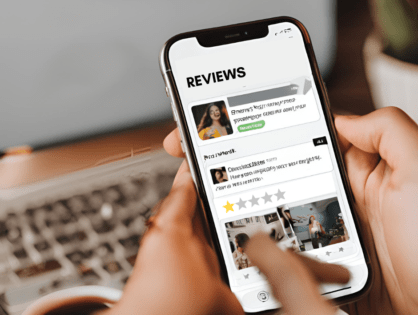
Dealing with negative Google reviews can be a challenging aspect of managing an online presence. While Google doesn’t offer a straightforward “delete” option for these reviews, there are several approaches businesses can take to address them effectively. Below, we outline methods for getting customers to remove their reviews, disputing reviews with Google, and mitigating the impact of negative feedback.

Encouraging Customers to Remove Negative Reviews

Negative reviews are inevitable in any business, but businesses can take steps to mitigate their impact. Encouraging customers to remove their negative reviews can be an effective strategy, albeit not always easy. Here’s how to approach it:

  • Apologise and Sympathise: Respond to the negative review with empathy and understanding. Acknowledge the customer’s concerns and express regret for their negative experience.
  • Highlight Positive Aspects: Take the opportunity to showcase the positive aspects of your business. Explain what customers typically experience and emphasise your commitment to customer satisfaction.
  • Move the Conversation Offline: Provide contact information for a representative of your business, inviting the customer to discuss their concerns further offline. This personal touch can often help resolve issues more effectively.
  • Request Removal: Once you’ve addressed the customer’s concerns, politely ask if they would consider removing or updating their negative review. Emphasise the importance of online reviews in shaping perceptions of your business and the value of positive feedback.

Disputing Google Reviews

While getting customers to remove their own reviews is the preferred approach, businesses can also dispute reviews with Google directly. However, this process can be time-consuming and challenging. Here’s what you need to know:

  • Understanding Google’s Policy: Google has specific criteria for removing reviews, including spam, fake content, offensive material, and more. Review Google’s policy to determine if the review in question violates these guidelines.
  • Flagging Reviews: If you believe a review violates Google’s policy, you can flag it as inappropriate through your Google Business Profile account. Provide a brief explanation of why you believe the review should be removed.
  • Contacting Google Support: If flagging the review doesn’t result in its removal, you can contact Google’s support for further assistance. Be prepared to provide documentation and evidence to support your case.

Mitigating the Impact of Negative Reviews

In cases where negative reviews cannot be removed, businesses can take steps to lessen their impact:

  • Responding with Further Messaging: Responding to negative reviews with additional messaging can help mitigate their impact. Address the customer’s concerns and reiterate your commitment to customer satisfaction.
  • Encouraging More Reviews: Generating new positive reviews can help bury negative feedback. Encourage satisfied customers to leave reviews, and focus on building a strong portfolio of recent positive feedback.
  • Utilising Review Management Software: Review management software can help prevent negative reviews before they occur. By providing a platform for customers to voice their feedback privately, businesses can address concerns before they become public reviews.

While removing negative Google reviews may not always be possible, businesses have several strategies at their disposal for addressing and mitigating their impact. From encouraging customers to reconsider their reviews to disputing reviews with Google and implementing proactive review management strategies, businesses can maintain a positive online reputation and continue to thrive in the digital landscape.

What Management Solutions Are Available?

If you’d like to talk about your options, please get in touch at info@managemymarketing.com.au.

How Can We Help?

Ready to elevate your online presence and drive real results? Let us work our magic, just like we do for many service businesses. Partner with us at Manage My Marketing and watch your business thrive with SEO.

Get in touch today for a personalised SEO strategy that’s tailored to your goals and aspirations. Your success story could be the next one we’re sharing!

Follow us on Facebook for great content to help you improve your brand’s visibility.

Google is shutting down yet another chat service
, , , ,
Google is shutting down yet another chat service

Google is shutting down yet another chat service (that’s been very effective)

Google is shutting down yet another chat service (that’s been very effective). This 1977 term is quite apt at this point: ‘If it ain’t broken, don’t fix it!’

The list of discontinued services in Google’s ecosystem, often referred to as the “Google graveyard,” continues to grow, highlighting the company’s ongoing efforts to streamline its offerings. The latest casualty is the chat feature within Google Business Profile, slated for termination on July 15, 2024, marking yet another closure in Google’s quest to refine its product lineup.
Initially tailored to cater to businesses, the chat functionality provided a convenient avenue for users to engage with businesses directly through Google Search and Maps.

For many businesses, it has been working very well, with 50+ direct messages each month from potential customers who found them via a Google search.

Effective July 31, 2024, Google will completely remove the chat feature from its Business Profile, urging affected businesses to explore alternative communication channels to maintain seamless interactions with their clientele. In light of this transition, businesses are advised to swiftly adapt to alternative chat platforms to sustain customer engagement.

For businesses seeking to preserve their chat history, Google recommends utilising Google Takeout to download past conversations before August 30, 2024, after which access to these records will no longer be available.

As for existing chat conversations, users will receive notifications regarding the impending discontinuation of the feature commencing July 15, 2024. These notifications will persist within ongoing chat threads until July 31, 2024, when the feature will cease to be operational, prompting users to seek alternative means of communication with businesses.

Google Business Profile (Local SEO) still makes sense.

Establishing an active and managed Google Business Profile remains one of the most effective and affordable strategies for local internet marketing. With local SEO’s focus on optimising websites and profiles for local searchers, small businesses can enhance visibility, attract targeted traffic, and gain a competitive edge in their local markets.

By leveraging the power of Google Business Profile insights, cultivating positive reviews, and ensuring accurate business information, businesses can build trust and credibility with potential customers.

Embracing local SEO not only boosts online visibility but also strengthens brand reputation and fosters consumer loyalty

What Alternative Solutions Are Available?

If you’d like to talk about your options, please get in touch at info@managemymarketing.com.au.

How Can We Help?

Ready to elevate your online presence and drive real results? Let us work our magic, just like we do for many service businesses. Partner with us at Manage My Marketing and watch your business thrive with SEO.

Get in touch today for a personalised SEO strategy that’s tailored to your goals and aspirations. Your success story could be the next one we’re sharing!

Follow us on Facebook for great content to help you improve your brand’s visibility.